Keep Your Home Comfortable with Taylors HVAC Company
Keep Your Home Comfortable with Taylors HVAC Company
Blog Article
Professional HVAC Services for Superior Home Well-being
Skilled HVAC services matter greatly in sustaining home pleasantness. These mechanisms require a intricate understanding of their parts and functions. Periodic servicing can prevent many common concerns, while smart upgrades strengthen power efficiency. However, picking the right support provider can be complex. Property owners must weigh various variables to guarantee superior functioning. What considerations should be top of mind when pursuing expert assistance?
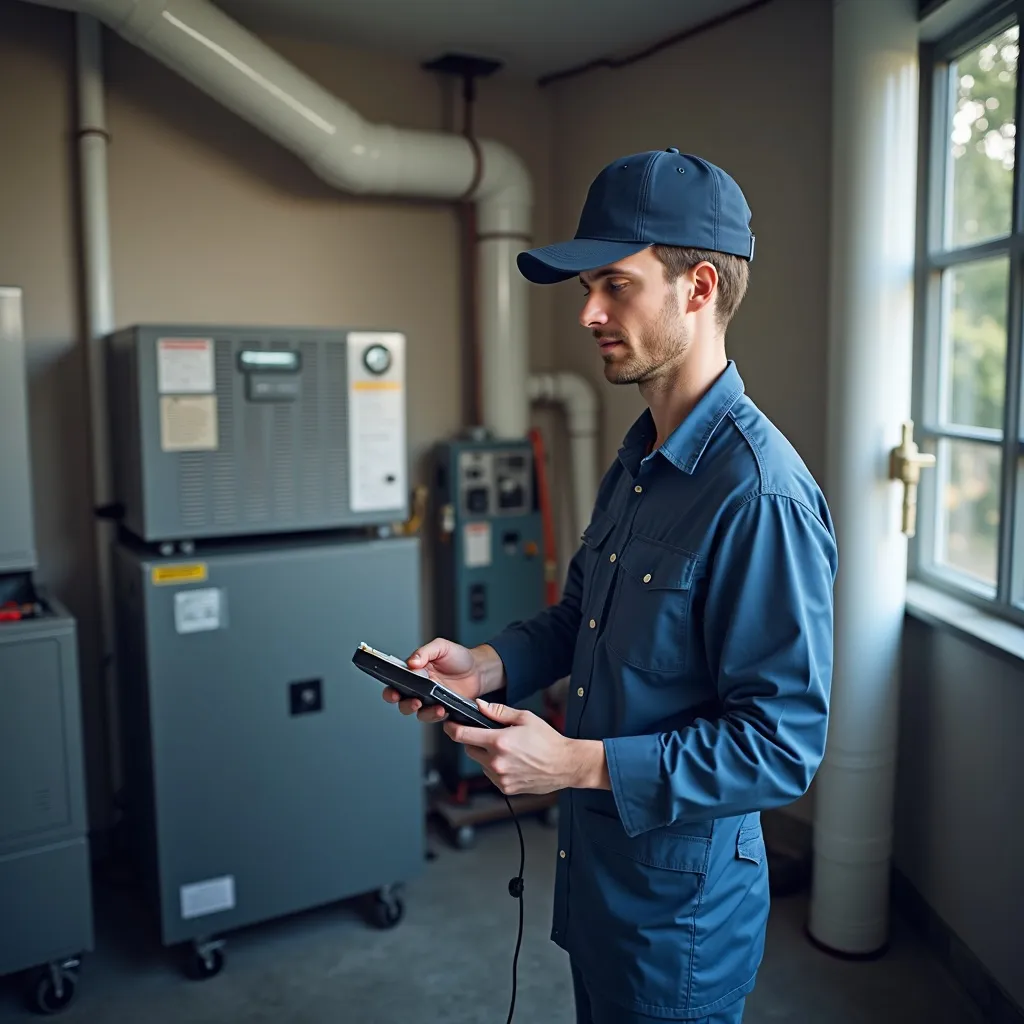
Understanding the Essentials of HVAC Systems
HVAC systems are vital components of modern home comfort, including heating, ventilation, and air conditioning functionalities. These systems work together to maintain a stable indoor environment, ensuring optimal climate conditions and air quality throughout the year. The heating aspect is typically provided by furnaces or heat pumps, which generate warmth during colder months. Air conditioning units, on the other hand, cool indoor spaces when temperatures rise.
Ventilation is vital to sustaining proper indoor air by facilitating the exchange of indoor and outdoor air. This process helps to remove pollutants and excess humidity, contributing to a healthier living environment. HVAC systems are created to address the specific needs of a home, taking into account factors such as size, insulation, and climate. Understanding these fundamentals enables homeowners to make informed decisions about their comfort needs, ensuring efficient operation and energy usage throughout their living spaces.
Why Ongoing HVAC Upkeep Counts
Routine HVAC care is critical for advancing system performance and supporting home pleasantness. It greatly aids superior energy efficiency, extends the service life of equipment, and strengthens indoor air quality. By making routine maintenance a priority, homeowners can achieve both savings and a healthier living atmosphere.
Optimized Energy Efficiency
Achieving optimal energy efficiency in a home relies heavily on the consistent maintenance of heating and cooling systems. Neglecting regular servicing can result in decreased efficiency and higher energy consumption. Expert evaluations often detect issues such as dirty filters, blocked ducts, or worn-out components, which can significantly reduce performance. For example, a properly serviced HVAC system operates at peak capacity, ensuring that the energy used converts to comfort. Additionally, regular maintenance helps in calibrating the system to align with seasonal demands, further enhancing energy consumption. Homeowners who invest in regular system maintenance not only experience reduced energy costs but also contribute to a minimized environmental footprint. Consequently, enhanced energy performance is a primary advantage of diligent HVAC maintenance.
Increase Hardware Operational Life
Proper care of climate control systems greatly extends their lifespan, enabling homeowners to maximize their expenditure. Regular inspections, cleaning, and adjustments help detect potential issues before they worsen, decreasing the likelihood of expensive repairs or premature replacements. Routine maintenance
Improved Indoor Air Quality
Investing in routine HVAC maintenance not only extends equipment lifespan but also significantly improves indoor air quality. Regular services, such as changing filters and cleaning ducts, eliminate dust, allergens, and pollutants that accumulate over time. This preventive strategy ensures that the air flowing through your residence remains clean and safe for occupants. Furthermore, well-maintained systems operate more efficiently, decreasing the presence of harmful airborne particles. Additionally, HVAC professionals can detect potential issues before they exacerbate, further protecting indoor environments. Improved air quality not only contributes to superior wellness results but also enhances overall comfort. Consequently, routine maintenance is a crucial strategy for homeowners seeking to create a more salubrious, more enjoyable living atmosphere.
Common HVAC Troubles and Their Fixes
HVAC systems commonly encounter inconsistent temperature issues, frequent system cycling, and subpar indoor air conditions, which are widespread issues dealt with by homeowners. These problems can cause dissatisfaction and elevated heating and cooling expenses if not handled quickly. Identifying the fundamental reasons and workable approaches is vital for upholding a comfortable living environment.
Variable Temperature Problems Requiring Care
Many homeowners experience temperature fluctuations that disrupt their comfort, often resulting from common HVAC issues. One primary cause is inadequate insulation, which allows conditioned air to escape and unconditioned air to enter, leading to inconsistent temperatures. Furthermore, blocked vents and ductwork can impede airflow, resulting in certain rooms being cooler or hotter than others. Thermostat placement also serves a critical role; if a thermostat is positioned in an area that does not reflect the overall temperature, it may incorrectly gauge and produce inconsistent cooling or warming. Regular upkeep, such as cleaning filters and making certain ducts are cleared of obstructions, can assist in reduce these issues. By tackling these factors, homeowners can achieve a more consistent and comfortable indoor environment.
Frequent System Recycling
Constant system cycling can significantly disrupt home comfort and trigger increased energy bills. This issue develops when an HVAC system cycles back and forth within a short duration. Such cycling can be caused by various sources, including incorrect thermostat settings, clogged air filters, or an oversized system. When the system runs inefficiently, it not only affects temperature regulation but also exerts additional strain on components, potentially resulting in premature wear and costly repairs. To tackle frequent cycling, homeowners should verify proper thermostat calibration, regularly update air filters, and consult professionals for system sizing assessments. Timely intervention can improve efficiency, reduce energy costs, and ultimately enhance overall home comfort.
Low Air Quality
Poor air quality can significantly damage home comfort, often compounding issues caused by regular cycling patterns. Common sources of poor air quality include dust, allergens, and volatile organic compounds (VOCs), which can infiltrate living spaces through poor filtration. HVAC systems, if not well-serviced, might struggle to remove these contaminants effectively, leading to respiratory issues and discomfort.
To combat this, regular maintenance of filters is crucial, as clean filters greatly improve indoor air quality. Additionally, purchasing air purifiers and guaranteeing proper ventilation can additionally improve the environment. Homeowners should also think about humidity control, as excessive moisture can encourage mold growth, additionally reducing air quality. By addressing these concerns, ideal comfort and health can be more easily achieved.
Effective Options to Optimize Your HVAC for Improved Efficiency
Refining an heating and cooling system for energy efficiency can markedly boost home comfort while cutting utility expenses. One helpful tactic is installing a temperature control thermostat that permits temperature adjustments based on occupancy patterns. This guarantees energy isn’t wasted in unoccupied homes. Another effective update includes sealing ductwork to discover now eliminate air leaks, which greatly improves system efficiency. Moreover, adding high-efficiency filters can enhance indoor air quality and allow the system to run more effectively. Routine upkeep, including cleaning coils and monitoring refrigerant, supports ongoing performance and efficiency. Finally, considering variable-speed motors in HVAC units helps optimize energy usage by regulating airflow according to demand. These upgrades not only advance energy conservation and enhance household comfort, showing the importance of investing in energy-efficient HVAC technologies.
Critical Advancements in HVAC Systems
Recent advancements in HVAC technology have revolutionized how homeowners reach comfort and efficiency. Innovative systems now include smart thermostats that understand user preferences, automatically tuning settings for ideal energy use. Variable-speed motors have also emerged, allowing for precise airflow control and lowering energy consumption while elevating comfort levels.
Furthermore, thermal pump technology has undergone significant improvements, offering effective heating and cooling options even in extreme weather conditions. Combined air purification systems are gaining traction, using advanced filtration approaches to lower allergens and pollutants, thereby promoting cleaner interior environments.
Furthermore, the surge of sustainable energy options, such as solar-powered HVAC systems, illustrates a mounting commitment to sustainability. These innovations not merely contribute to decreased utility bills but also diminish environmental impact. As technology advances, homeowners can expect even superior effectiveness and well-being from their HVAC systems, guaranteeing a more environmentally conscious and enjoyable living environment.
Selecting the Ideal HVAC Contractor: Essential Factors
What approach can homeowners take to ensure they select the correct HVAC service provider? Several vital considerations can guide this choice. First, confirming qualifications and licenses is essential; contractors should have the necessary certifications and insurance to guarantee quality and safety. Next, evaluating expertise and knowledge in home HVAC systems can indicate the provider's trustworthiness. Homeowners should seek recommendations and check internet reviews to assess client satisfaction. Additionally, obtaining several quotes can provide insight into industry rates and service offerings, allowing for informed assessments.
Furthermore, learning about the provider's maintenance plans and rapid-response services is necessary for long-term comfort. Homeowners should seek information on coverage options on both equipment and services, achieving tranquility. Finally, clear communication and responsiveness during preliminary contact can reveal the provider's total commitment to client care. By weighing these factors, homeowners can confidently select a credible HVAC service provider that addresses their particular circumstances.
Regularly Requested Questions
How Regular Should My HVAC Air Filter Changes Be?
HVAC air filters typically should be changed every 1 to 3 months, depending on usage, filter type, and household conditions. Regular maintenance helps ensure peak air quality and system efficiency throughout the year.
What Dimensions of HVAC System Should I Select for My Home?
Establishing the suitable dimension of an HVAC system involves figuring the home's square footage, insulation quality, and climate. Generally, a qualified evaluation ensures ideal efficiency and comfort by picking the proper capacity for the space.
Should I fit an HVAC system without help?
While some residents may try DIY HVAC installations, it's generally not recommended due to intricacies involved. Professional service guarantees safety, efficiency, and compliance with local codes, eventually delivering better sustained performance and reassurance.
How Can I Identify the Signs My HVAC System Is Not Working?
Symptoms of a broken HVAC system highlight unusual noises, inconsistent temperatures, rising energy costs, frequent cycling, poor airflow, and unusual odors. Addressing these issues promptly can avert more serious issues and maintain home comfort.
What Ways Can I Boost Air Quality Inside Using HVAC?
Maximizing indoor air quality with HVAC entails systematic maintenance, constantly changing filters, leveraging air purifiers, sustaining proper ventilation, and stabilizing humidity levels. These steps function to reduce pollutants and refine overall air quality in the home.
Report this page